How to Prevent Contamination in Bulk Oil Storage Tanks
Understanding Bulk Oil Storage Tanks
Types of Bulk Oil Storage Tanks
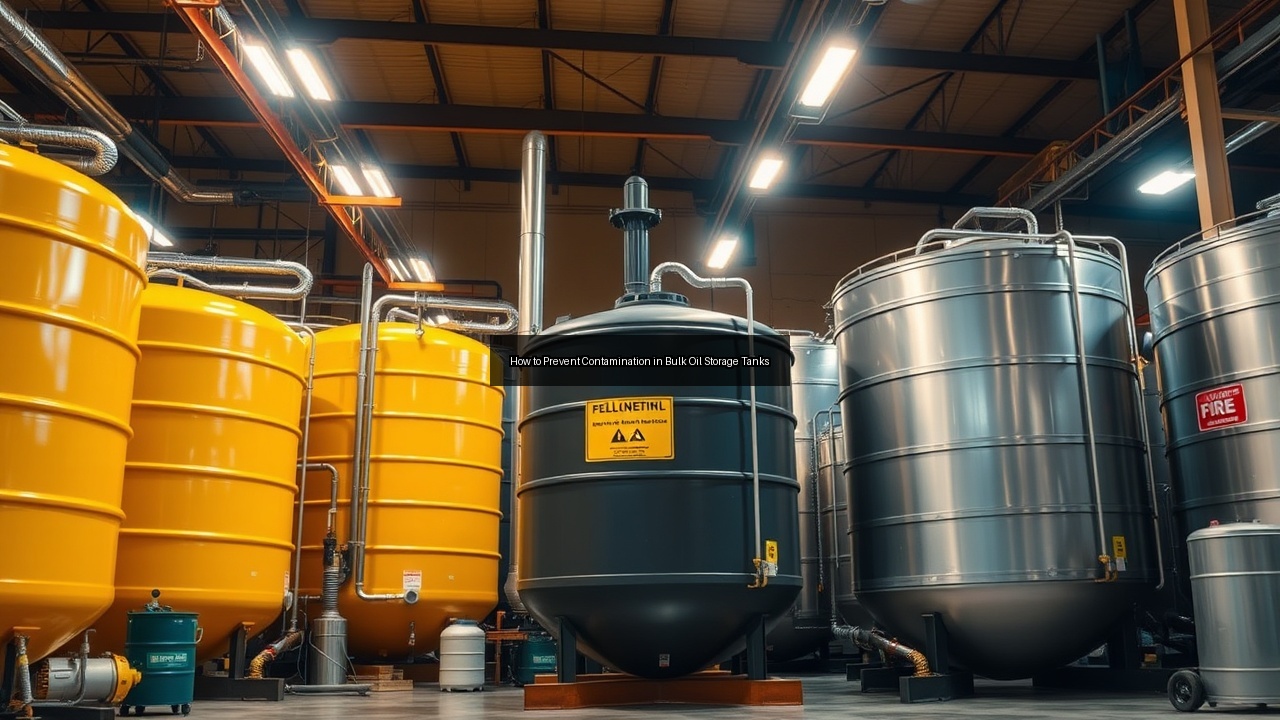
Bulk oil storage tanks come in various types, each designed for specific applications and environments. These include welded steel tanks, which offer durability and resistance to corrosion, and polyethylene tanks, known for their lightweight and chemical-resistant properties. Steel tanks are often preferred for their robustness and ability to withstand high pressures, making them suitable for both above-ground and underground installations. Polyethylene tanks, on the other hand, are ideal for environments where corrosion is a significant concern, such as coastal areas or locations with extreme weather conditions. Tanks are often categorized by size, ranging from smaller 55-gallon drums to large storage tanks capable of holding thousands of gallons. The choice of tank type depends on factors such as the type of oil being stored, the required capacity, and local regulations. Additionally, tanks can be above-ground or underground, with above-ground tanks providing easier access for inspection and maintenance, while underground options can minimize visual and environmental impact, making them less susceptible to vandalism and accidents.
Materials Used in Tank Construction
The construction material of bulk oil storage tanks significantly influences their longevity and safety. Steel tanks, particularly those that are welded, provide excellent strength and durability, making them ideal for long-term storage of various lubricants and fluids. These tanks can be coated with protective linings to enhance their resistance to corrosion and extend their lifespan. However, they may require additional maintenance to prevent rust and corrosion, particularly in humid or corrosive environments. On the other hand, polyethylene tanks offer resistance to many chemicals and are less likely to corrode, providing a safe option for storing oils, especially in applications involving aggressive fluids. The choice between these materials hinges on the specific oil type, environmental conditions, and regulatory compliance, particularly with OSHA and EPA standards that govern the storage of hazardous materials. Furthermore, composite tanks that combine the benefits of different materials are also emerging as a versatile option in the industry.
Importance of Compliance with OSHA and EPA Standards
Compliance with OSHA and EPA standards is crucial for any facility involved in bulk oil storage and dispensing systems. These regulations ensure that storage practices meet safety and environmental protection requirements. OSHA focuses on workplace safety, mandating proper labeling, safety training, and spill prevention measures to protect employees. This includes the implementation of safety data sheets (SDS) for each type of oil stored, which inform workers of the hazards associated with the materials they handle. Meanwhile, the EPA addresses the environmental impact of oil storage, requiring facilities to implement measures that prevent leaks and spills. This may involve secondary containment systems, regular inspections, and adherence to spill prevention control and countermeasure (SPCC) plans. Non-compliance can lead to severe penalties and environmental damage, making adherence to these guidelines not just a legal obligation but a commitment to safety and sustainability. Facilities may also be subject to additional state and local regulations, which can vary widely, necessitating a thorough understanding of all applicable laws.
Best Practices for Preventing Contamination
Proper Tank Installation and Maintenance
Proper installation and ongoing maintenance of bulk oil storage tanks play a critical role in preventing contamination. Begin by ensuring the tank is installed on a stable, level foundation to prevent spills and leaks. It is also essential to consider the tank’s location to avoid exposure to direct sunlight, which can degrade certain materials over time, and to ensure proper drainage to prevent water accumulation around the tank. Routine inspections should focus on identifying any signs of wear, corrosion, or leaks, particularly at joints and seams. Regular maintenance includes cleaning the interior of the tanks to remove any buildup of sludge or contaminants that can affect oil quality. Operators should also document all maintenance activities, creating a history that can be referenced during inspections or audits. This proactive approach not only preserves oil quality but also protects the environment and complies with applicable regulations. Implementing a scheduled maintenance plan ensures that potential issues are addressed before they escalate, thereby reducing downtime and costs associated with emergency repairs.
Filtration Systems for Bulk Oil
Implementing efficient filtration systems for bulk oil storage can significantly minimize contamination risks. Filtration systems remove particulate matter and water from the oil, ensuring that the lubricants maintain their effectiveness. Advanced filtration technologies, such as microfiltration and coalescing filters, can capture even the smallest contaminants, extending the life of the oil and reducing wear and tear on machinery. Additionally, the use of bulk oil dispensing adsorption filters can help remove unwanted chemical substances, improving the overall quality of the stored oil. Regularly monitoring and replacing filters as needed is essential to maintain optimal performance. An effective filtration system not only improves oil quality but also enhances the overall reliability of lubrication processes within any operation. Training personnel on the importance of filtration and ensuring that they understand how to maintain these systems is vital for long-term success.
Gravity Feed vs. Pump Dispensing Systems
The choice between gravity feed and pump dispensing systems for bulk oil can impact contamination levels and operational efficiency. Gravity feed systems rely on the natural force of gravity to dispense oil, reducing the need for mechanical components that can introduce contaminants. However, they may not be suitable for all applications, especially where precision dispensing is required. Conversely, pump dispensing systems offer controlled flow rates and can be equipped with filtration mechanisms to further reduce contamination risks. These systems can also be designed to handle various oil viscosities, making them versatile for different operational needs. Operators must ensure that dispensing equipment is regularly cleaned and maintained to prevent cross-contamination between different oil types or grades. Assessing the specific needs of the operation can help determine the most effective dispensing system. In some instances, a hybrid approach that incorporates both gravity and pump systems may provide the best results, optimizing both efficiency and cleanliness.
Safety Measures and Regulations
Fire Safety Protocols for Oil Storage
Fire safety protocols are essential in any facility that utilizes bulk oil storage tanks. The flammable nature of many lubricants necessitates a comprehensive fire safety plan that includes proper tank placement, adequate spacing between tanks, and the installation of fire suppression systems. Facilities should also maintain clear access routes for emergency services and ensure that all personnel are trained in fire prevention and response measures. Regular fire drills and safety audits can help reinforce the importance of these protocols. Furthermore, keeping fire extinguishers and other safety equipment readily available is vital for ensuring a rapid response in the event of a fire hazard. Facilities should also consider the implementation of fire detection systems that can alert personnel to potential fires before they escalate, along with regular inspection and maintenance of electrical systems and equipment to prevent ignition sources.
Handling Waste Oil and Lubricants
Proper handling of waste oil and lubricants is crucial for environmental protection and regulatory compliance. Facilities must implement procedures for collecting and storing waste oil, ensuring that it is kept separate from usable lubricants. Using designated waste oil containers or tanks, such as those made from polyethylene or steel, helps prevent leaks and spills. Additionally, facilities should provide secondary containment for waste oil storage areas to capture any accidental releases. Regularly scheduled pickups by licensed waste oil disposal companies ensure that waste oil is managed responsibly. Training employees on waste oil handling practices not only promotes safety but also helps to mitigate potential environmental impacts, aligning operations with EPA regulations. Facilities should also explore recycling options for waste oil, which can help reduce overall waste and contribute to sustainability efforts.
Emergency Procedures for Spills and Leaks
Establishing effective emergency procedures for spills and leaks is vital for mitigating risks associated with bulk oil storage. Facilities should develop a comprehensive bulk oil dispensing spill response plan that includes readily available spill kits and designated personnel trained in spill containment and cleanup. Regular drills ensure that employees are familiar with response protocols, reducing the risk of panic during an actual incident. Additionally, facilities should have clear communication channels for reporting spills to management and regulatory authorities. Documenting all incidents and responses helps identify areas for improvement and ensures compliance with environmental regulations. Investing in advanced leak detection systems can further enhance safety, providing real-time monitoring and alerting personnel to issues before they escalate. Ultimately, a robust spill response plan not only protects the environment but also safeguards the facility's reputation and operational integrity.